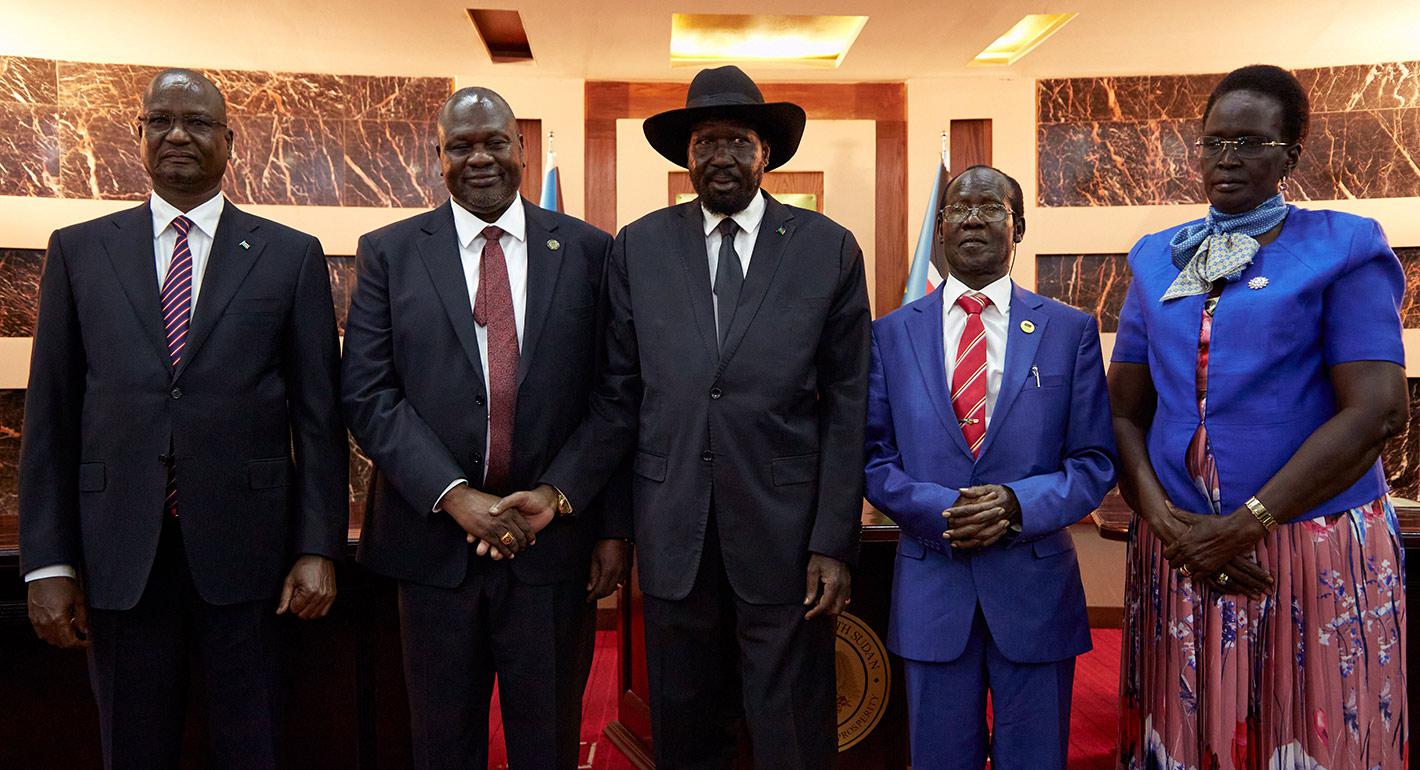
Juba, South Sudan – In a groundbreaking move to address environmental degradation and food security challenges facing the Republic of South Sudan, the Wani Igga Foundation (WIF) has officially launched twin nationwide initiatives: a comprehensive tree plantation program and a massive commercial agriculture project spanning from county to Payam level across all states.
Historic Tree Plantation Campaign
Under the visionary leadership of its Founder and Chairman, Dr. James Wani Igga, the Wani Igga Foundation has taken an oath today to spearhead tree plantation exercises nationwide, aligning with South Sudan's ambitious 100 million-tree planting campaign launched by President Salva Kiir in 2023. The initiative represents a critical intervention in South Sudan's fight against climate change, desertification, and environmental degradation.
Dr. Igga, leveraging his extensive experience as former Vice President and Chairman of the Economic Cluster, emphasized that environmental restoration is fundamental to the nation's sustainable development. His distinguished career includes serving as Speaker of the National Legislative Assembly from 2011 to 2013, Vice President from 2013 to 2025, and Secretary General of the Sudan People's Liberation Movement (SPLM).

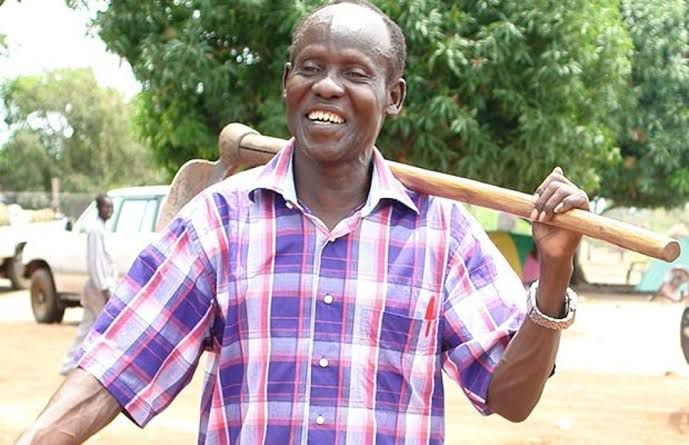
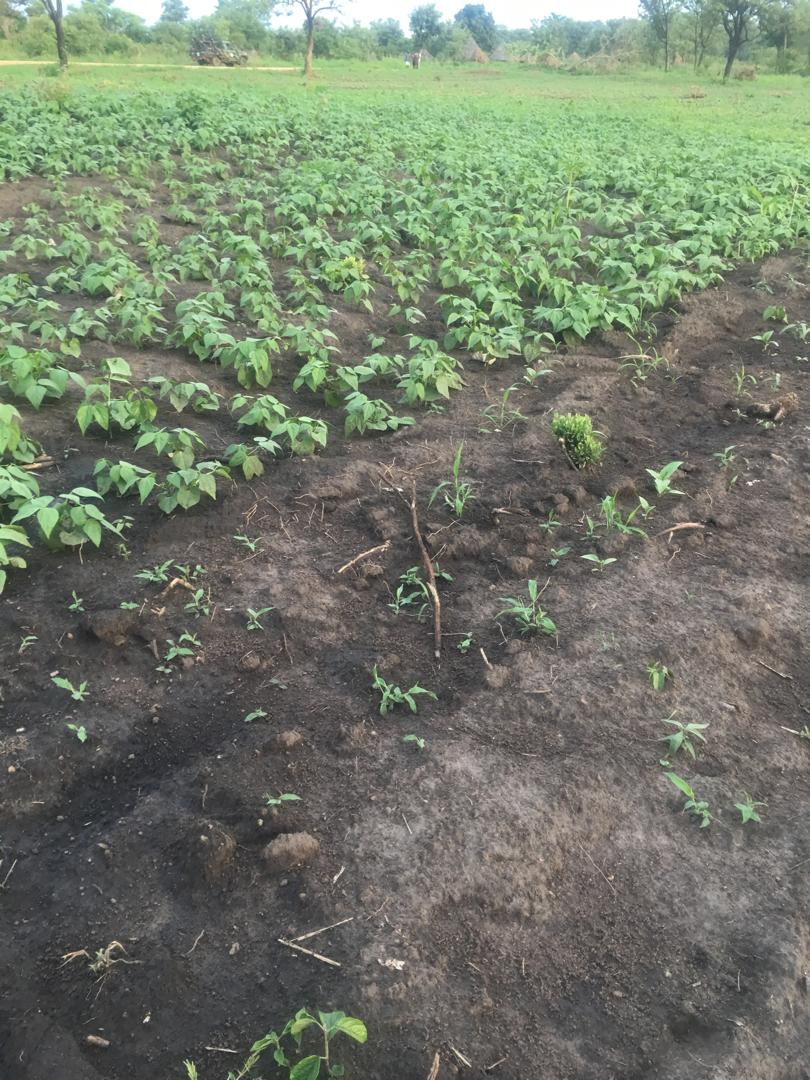
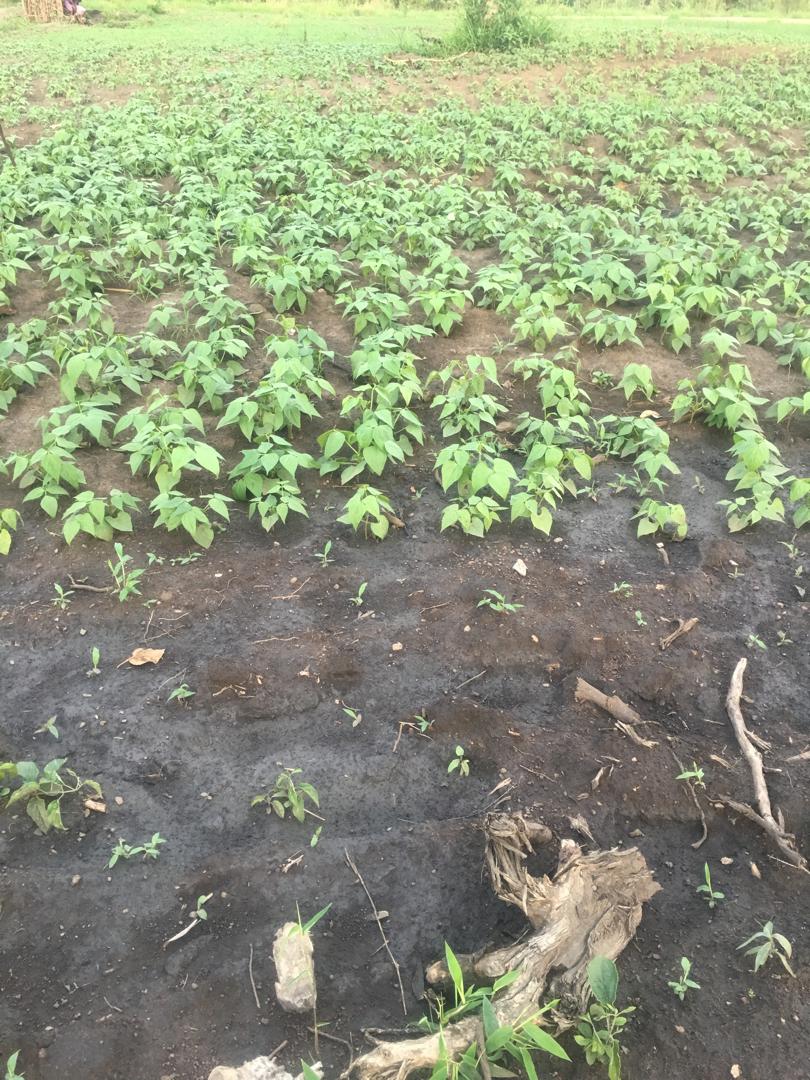
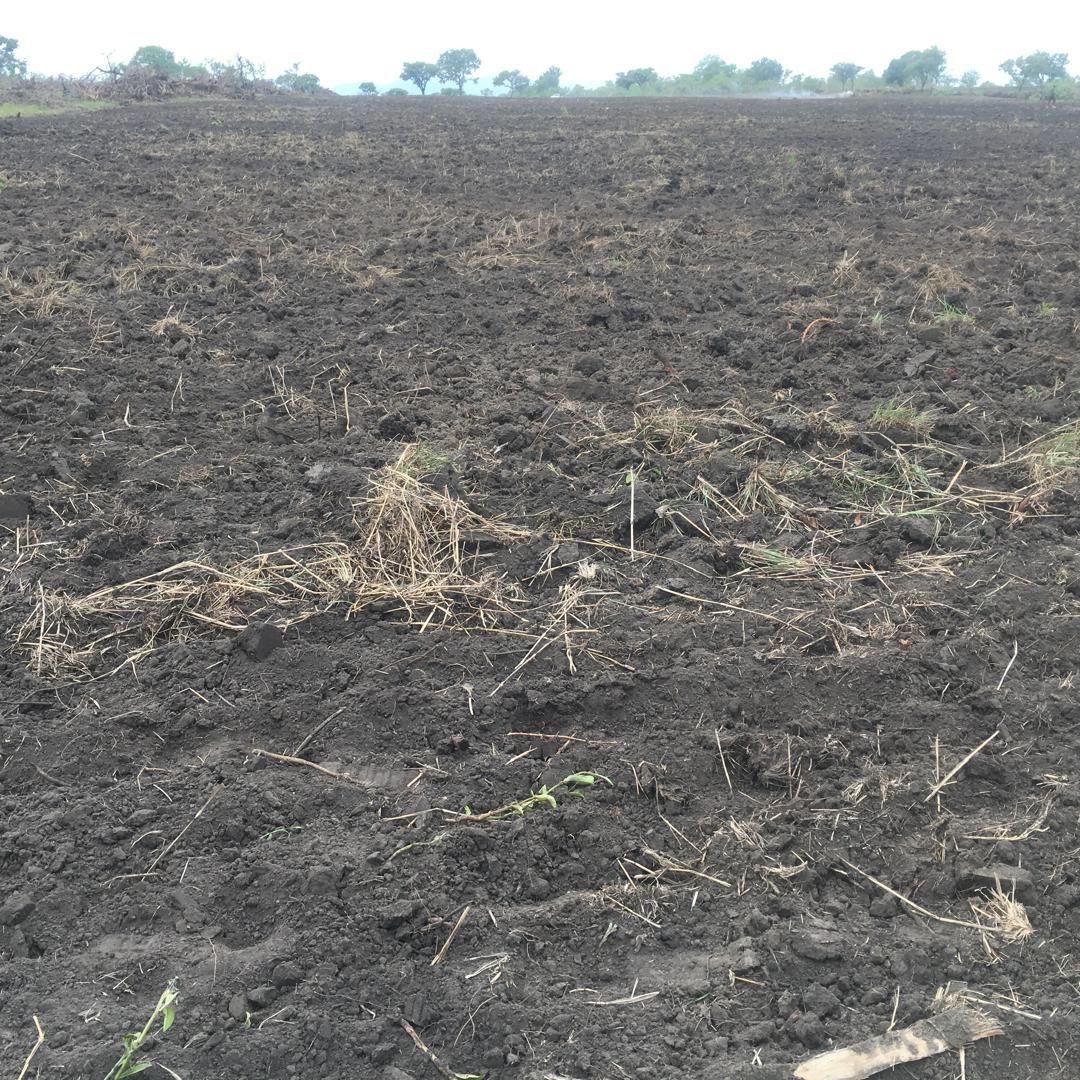
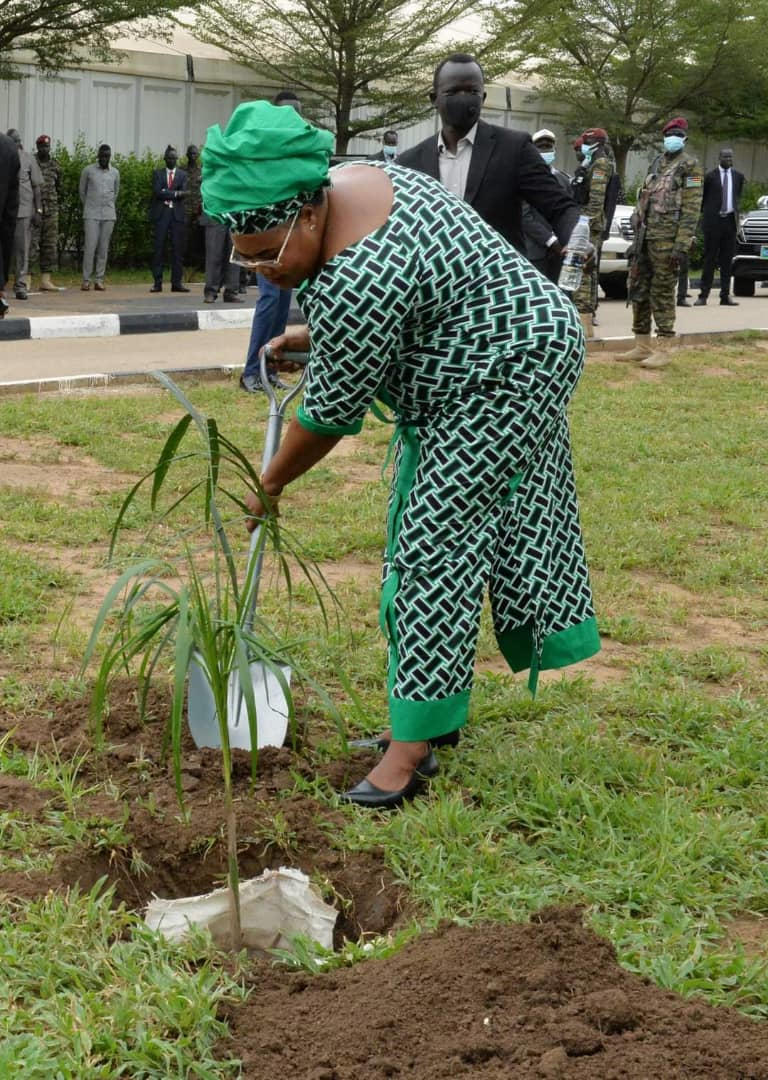
The tree plantation initiative aims to plant millions of trees across South Sudan over the next decade, focusing on indigenous species, fruit trees including mango, avocado, and jackfruit, and trees suitable for agroforestry. As of July 2025, more than four million trees have already been planted across Central and Eastern Equatoria states as part of the national campaign.
Massive Commercial Agriculture Program Unveiled
In a complementary and equally ambitious initiative, WIF has launched a nationwide commercial agriculture program designed to operate from county to Payam level in every state of South Sudan. This program directly supports the government's "Food for All" initiative and addresses the acute food insecurity crisis affecting 7.7 million South Sudanese—57 percent of the population.
The agricultural transformation program focuses on establishing sustainable farming cooperatives at Payam and county levels, introducing climate-smart agricultural practices, providing seeds, tools, and technical training to rural farming communities, creating market linkages for agricultural produce, empowering women and youth through agricultural entrepreneurship, and restoring degraded agricultural lands through watershed management.
Addressing Critical Food Security Crisis
South Sudan faces unprecedented levels of acute food insecurity, with recent IPC (Integrated Food Security Phase Classification) analysis projecting that 7.7 million people will face high levels of acute food insecurity during the lean season from April to July 2025. Among them, approximately 83,000 people are expected to experience catastrophic levels of food insecurity in several parts of the country, including Pibor County, Luakpiny/Nasir, Ulang, and Malakal counties.
The food insecurity is driven by conflict and civil insecurity, which has forced people to leave their homes, disrupted markets and livelihood activities, and hindered the delivery of multi-sectoral humanitarian assistance. Other factors include the ongoing economic crisis characterized by local currency depreciation, high food prices, and eroding household purchasing power, as well as climatic shocks particularly flooding that are negatively impacting agricultural production.
The WIF commercial agriculture initiative is strategically designed to reverse this trend by transforming subsistence farming into productive, market-oriented agriculture that can generate surpluses, create employment, and build household resilience.
Foundation's Holistic Approach
The Wani Igga Foundation, officially registered with the Relief and Rehabilitation Commission (RRC) on July 18, 2025, operates as a national non-governmental organization under South Sudan's NGO Act of 2016. The foundation's mission encompasses humanitarian work, human rights advocacy, youth and girls' rights, vocational training, health, education, and agricultural reformation.
Core Areas of Work include humanitarian advocacy, engaging with national and international stakeholders to raise awareness about pressing humanitarian challenges facing South Sudan, advocating for the rights of displaced persons, refugees, and marginalized groups. The foundation also offers strategic advisory services, leveraging decades of experience in governance, development, and peacebuilding to help shape impactful policies and programs that foster inclusive growth, good governance, and reconciliation.
Through charitable activities, WIF implements grassroots humanitarian programs addressing food insecurity, healthcare access, education, and livelihood support, striving to improve living conditions and create opportunities for self-reliance.
Partnership with Government Initiatives
WIF's programs align seamlessly with several national and international frameworks, including South Sudan's 100 Million Tree Planting Campaign (2023-2033), the government's "Food for All" Initiative, South Sudan Development Plan (SSDP) 2026-2036, African Union's Agenda 2063, and UN Sustainable Development Goals (SDGs).
The foundation has pledged to work in collaboration with the Ministry of Environment and Forestry, Ministry of Agriculture and Food Security, state governments, UN agencies including FAO and WFP, and local community organizations. This collaborative approach ensures a coordinated response to complex humanitarian crises and maximizes the impact of development interventions.
From County to Payam: Grassroots Implementation
The foundation's approach emphasizes community-driven development, ensuring that interventions are tailored to local needs and contexts. By operating at county and Payam levels, WIF will train community mobilizers and extension workers, establish farmer field schools, create agricultural producer groups and cooperatives, distribute improved seeds and farming tools, provide market access and financial literacy training, and monitor and evaluate impact at grassroots level.
The READ (Rural Enterprises for Agricultural Development) program model, successfully implemented by UNDP and IFAD in South Sudan, demonstrates the effectiveness of focusing on Rural Producers' Organizations, Agricultural Producer Groups, Cooperatives, and Micro and Small Enterprises to facilitate transformation into sustainable and resilient players in the agricultural value chain.
Environmental and Economic Impact
The tree plantation initiative contributes to climate change mitigation through carbon sequestration, prevention of desertification and soil degradation, restoration of 15,000+ hectares of degraded land, provision of fruits for nutrition and income generation, and creation of green spaces in schools and communities.
Ethiopia's Green Legacy Initiative, launched in 2019, provides a successful model for South Sudan to follow. Since its inception, Ethiopia's forest cover has increased from 17.2 percent in 2019 to 23.6 percent in 2024, with a national goal of reaching 30 percent forest cover by 2030. The initiative has planted over 40 billion trees as of 2024 and aims to plant 54 billion trees by 2026.
The commercial agriculture program targets reaching over 500,000 farming households across South Sudan, with special emphasis on empowering women farmers, youth, and returnees from Sudan. Around 95 percent of South Sudan's population relies on climate-sensitive natural resources, making them extremely vulnerable to rising temperatures, more erratic rainfall, and more frequent extreme weather events driven by climate change.
Call for Partnership and Support
Dr. James Wani Igga called upon national and international partners, donors, UN agencies, civil society organizations, and the South Sudanese diaspora to support these transformative initiatives. The foundation's partnerships with UN agencies, government ministries, and donors ensure a coordinated response to complex humanitarian crises.
Vice President Igga has consistently emphasized the need for international support throughout his political career. In 2023, he appealed to the international community to help South Sudan cope with the impact of conflict and climate disasters, which have induced deaths and abject poverty in the country. During a meeting with heads of the UN's World Food Program, Food and Agriculture Organization, and the International Fund for Agricultural Development, he highlighted the suffering from chronic drought and flooding, extreme climate change, conflicts, and other challenges that culminate in annual famines, malnutrition, deaths, and abject poverty.
Building on a Legacy of Public Service
Dr. James Wani Igga's establishment of the Wani Igga Foundation represents a transition from formal political office to humanitarian and development work focused on grassroots empowerment. Born in 1949 in Kirilo, Juba County, Dr. Igga joined the Sudan People's Liberation Movement/Army (SPLM/A) in 1985 and rose through the ranks to become a prominent political and military leader.
His political career flourished as he served as Speaker of South Sudan's Legislative Assembly from 2005 to 2013, and as Vice President from 2013 to 2025. In 2019, he was honored as a full General in the South Sudan People's Defence Forces (SSPDF) for his military contributions. He holds a degree in Commerce from Cairo University (1979), a Master's degree from the University of Greenwich, UK (2013), and a Ph.D. from Bulacan University, Philippines (2017).
The foundation leverages Dr. Igga's extensive network and experience in governance, economic development, and peacebuilding to navigate the complex political and bureaucratic landscape, foster high-level partnerships, and advocate for systemic reforms. His history as a national figure provides an unparalleled opportunity to mobilize resources and coordinate with government institutions, UN agencies, and international donors.
Impact and Future Vision
Since its inception, WIF has reached thousands of South Sudanese with emergency relief and sustainable development projects that emphasize collaboration and local ownership. The foundation's approach moves beyond traditional aid delivery to a model of integrated, resilience-building development that addresses both immediate humanitarian needs and underlying structural issues that perpetuate cycles of poverty and conflict.
The twin initiatives—tree plantation and commercial agriculture—are interconnected pillars of the foundation's strategy to build a resilient South Sudan. Trees restore ecosystems, prevent soil erosion, and regulate microclimates, while commercial agriculture ensures food security and economic empowerment for rural communities.
By focusing on community-driven development and operating at the grassroots level from county to Payam, WIF ensures that interventions are sustainable, culturally appropriate, and responsive to local needs. The foundation's emphasis on empowering women and youth, building local capacities, and fostering partnerships positions it as a pivotal agent of change in South Sudan's development trajectory.
The Wani Igga Foundation's launch of these ambitious nationwide initiatives marks a significant milestone in South Sudan's journey toward environmental sustainability and food security.
By combining Dr. Igga's political legacy with grassroots humanitarian action, WIF is poised to make a lasting impact on the lives of millions of South Sudanese, contributing to the nation's vision of peace, prosperity, and sustainable development for all its citizens.
For more information about the Wani Igga Foundation and these initiatives, please visit: www.waniiggafoundation.org